









 配送


書 正版 The Settlement of the Ch歐嗯歐s Archipelago, Western Patag的詳細資訊
書籍為正版書籍 ,部分絕版書籍,為舊書或者二手書籍,建議咨詢客服
1.書籍均為簡體正版書籍,大陸版社直接寄送。部分絕版書籍為二手二手書籍
2.貨物3天內安排寄送,到貨時間大概8~12天,有時間要求請及時聯繫。
3.圖書因物流運送且多為單冊包裝,偶有碰撞折損潮損,非無法閱讀均不可退貨,完美要求者請切勿下標。
4.大物件商品超過超區規格,需要下標宅配到付哦 。
5.可免費代尋書籍!店鋪每天上新歡迎關注!
6.收到商品有任何問題,歡迎咨詢,感謝~
開 本:20開
紙 張:輕型紙
包 裝:平裝-膠訂
是否套裝:否
國際標準書號ISBN:9783030543280
所屬分類:圖書>英文原版書>人文社科 Non Fiction>Social Sciences
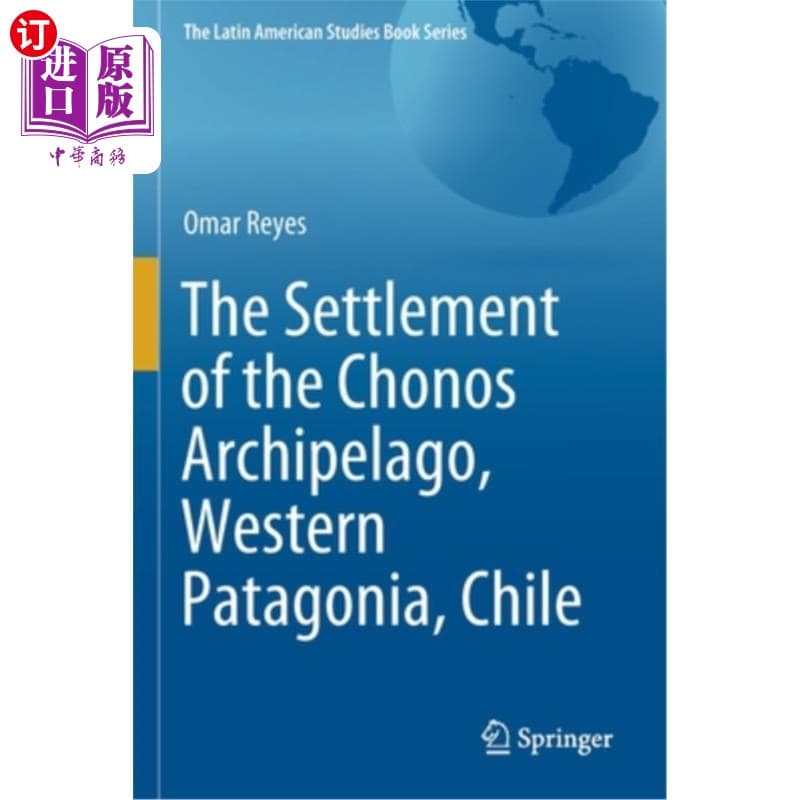
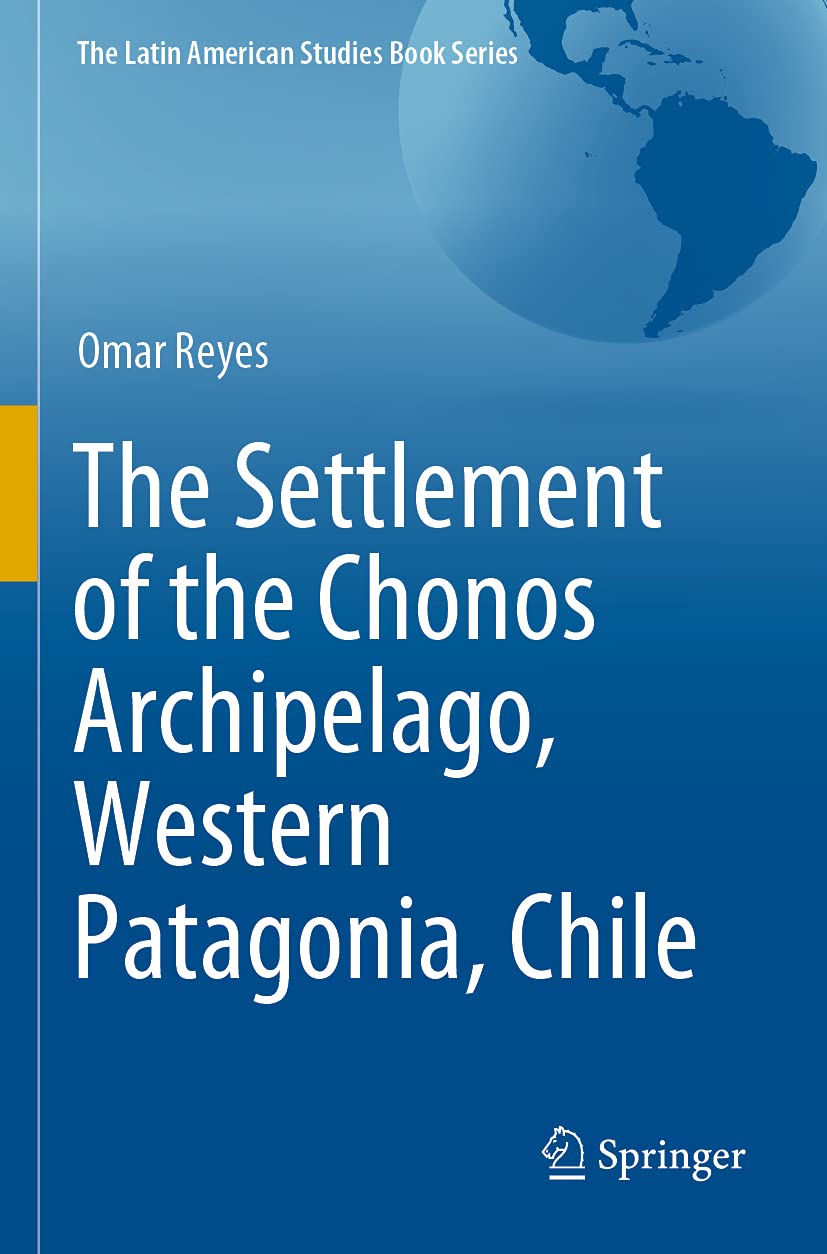
The Settlement of the Chonos Archipelago, Western Patagonia, Chile
作者: Reyes, Omar
出版社: Springer (2021年10月20日)
頁數: 267頁
語種: 英語
ISBN: 9783030543280
條形碼: 9783030543280
商品重量: 420.00g
商品尺寸: 23.39cm * 15.60cm * 1.60cm
編輯推薦
This book describes an archaeological investigation of human occupation in the northern area of the Patagonian archipelago in the far south of South America. It is of global anthropological and archaeological interest, dealing as it does with an archipelago characterised by a maze of islands, fiords, channels, volcanoes and continental glaciers, in an area which is still very sparsely inhabited with only scattered settlements. It was one of the last parts of the continent to be populated by man, with the arrival of marine hunter-gatherer-fishers. The arrival of human beings in this area, and their subsistence strategies in varied environments, constitute a new example of man\'s ability to adapt over the course of his history. It is also of interest to document how humans overcome some biogeographical barriers to occupy territories, and how other kinds of barrier restrict movement and access to other regions, leaving certain human groups isolated. Two hunter-gatherer traditions, one marine and one pedestrian, with very different cultural development processes, coexisted in this part of Patagonia separated by less than 100 km of mountains, volcanoes and glaciers. There is no evidence of contact between them over their whole time sequence; on the contrary, the archaeological and bioanthropological evidence indicates two independent axes of movement: one used by canoe groups along the Pacific coast and the other by pedestrian groups in the interior of the continent east of the Andes.
內容推薦
This book describes an archaeological investigation of human occupation in the northern area of the Patagonian archipelago in the far south of South America. It is of global anthropological and archaeological interest, dealing as it does with an archipelago characterised by a maze of islands, fiords, channels, volcanoes and continental glaciers, in an area which is still very sparsely inhabited with only scattered settlements. It was one of the last parts of the continent to be populated by man, with the arrival of marine hunter-gatherer-fishers. The arrival of human beings in this area, and their subsistence strategies in varied environments, constitute a new example of man\'s ability to adapt over the course of his history. It is also of interest to document how humans overcome some biogeographical barriers to occupy territories, and how other kinds of barrier restrict movement and access to other regions, leaving certain human groups isolated. Two hunter-gatherer traditions, one marine and one pedestrian, with very different cultural development processes, coexisted in this part of Patagonia separated by less than 100 km of mountains, volcanoes and glaciers. There is no evidence of contact between them over their whole time sequence; on the contrary, the archaeological and bioanthropological evidence indicates two independent axes of movement: one used by canoe groups along the Pacific coast and the other by pedestrian groups in the interior of the continent east of the Andes.
Biographical Note
Omar Reyes, associate researcher at Centro de Estudios del Hombre Austral of the Instituto de la Patagonia, Universidad de Magallanes (Punta Arenas, Chile). He holds a PhD from Universidad de Buenos Aires, Argentina. Is an archaeologist who specializes on human/environment interactions and bioarchaeology. He has a particular interest on the process of human occupation of the northern Patagonian channels and the broader adaptation to maritime lifeways of Southernmost South America. Current research projects include studying the archaeological record at the Chonos archipelago by assessing the geomorphological features that condition the location of the information of the earliest hunter-gatherers at island settings that indicate the onset of navigational techniques in the region. In Central Patagonia and elsewhere, Omar Reyes, has been studying the lifeways of bioarchaeological populations of hunter-gatherers throughout the Holocene, by integrating palaeopathological analyses and stable isotopes.商品備註・物品狀況:全新・最新關注時間:2025-08-09




暢銷商品排行榜




查看此商品的人也看了以下商品
-
 我的商店庫存: 279含稅892元
-
 我的商店庫存: 351含稅18170元
-
 我的商店庫存: 410含稅1698元
-
 我的商店庫存: 440含稅1862元
-
 我的商店庫存: 485含稅15492元
附近賣場的商品





顧客評論
推薦度 4.2分
目前有 122則評論。